
Weekly Research Briefing: Ups and Downs

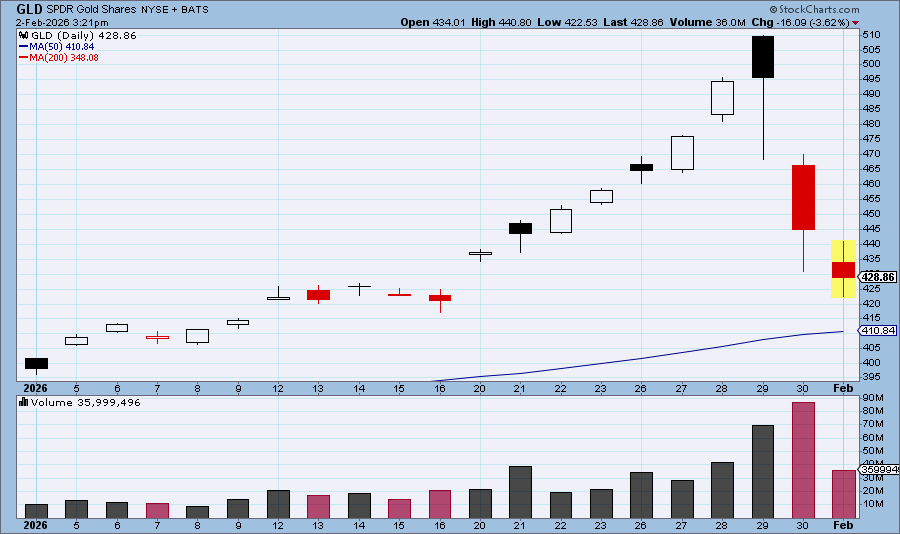
While the week's and weekend's news flow continued at full throttle, some financial markets have begun to take notice. Some of the more intriguing moves as the S&P 500 volatility index jumped above 20 twice in the last week include a 20% retreat in Gold, a 40% pullback in Silver and a now 40% drawdown in Bitcoin from its highs. The entire energy complex has also threw up some epic U-turns led by the $3 to $5.50 to $3 move in natural gas as US and European weather systems cause panic. The US$ even reversed its fall for the year. So why all the volatility?
It is tough to pin down one main reason. Many would like to point to the potential appointment of Kevin Warsh as the next head of the Federal Reserve. Sure he looks more hawkish, less communicative and anti-regulatory compared to former Fed Chairs, but first we have no idea how long his appointment will take to confirm. Second, you don't know if he will act as independent as he did as a Fed Governor or if the peer pressure of the board will make him more dovish in the future. But right now, it might not matter as the economy is in a defined groove with little need for action.
We did have a FOMC meeting last week which resulted in no change in rates and only two dissents. Christopher Waller believes the jobs picture is slowing faster than others see and would like to cut rates. Unfortunately, he will need to wait a bit longer for a new official data point given that this week's government shutdown has delayed the first week of the month's jobs data. Q4 corporate earnings will continue to fill the void this week. While increased capex spending by companies touching AI is a plus, the number of ramping white-collar layoffs by companies using AI is a negative. Earnings remain solid so far as we enter the heaviest week of reports for this earnings season.
Speaking of AI, Oracle saw a flood of rumors last week surrounding its ability to finance their significant future committed revenues. In an attempt to end the worrying stock and bond volatility, the company elected to embark on a plan of equity and debt capital raising to bolster its balance sheet. This appeared to work as its credit spread stabilized today and the stock absorbed the large convertible equity dilution. Now we will see if the big financing move worked and if investors will be satisfied. Enjoy the week and have fun watching the game, commercials and the halftime show on Sunday.
Just your normal 18% two-day pullback in one of the largest assets in the world?
Hopefully the Government of Germany was able to lock in some of those reserves last week at the highs.
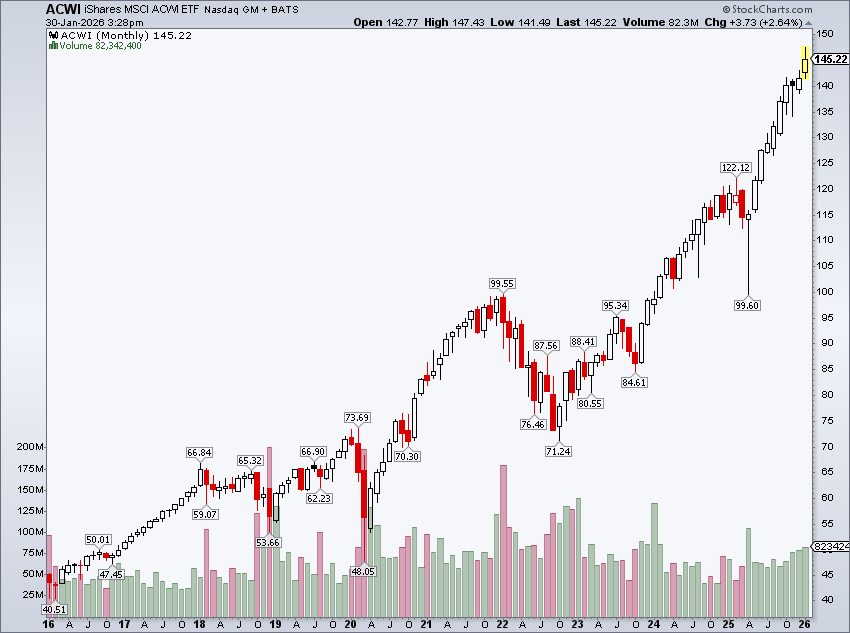
But for all the commodity and currency volatility, global equities finished the month strong notching its 10th straight gain…
@MikeZaccardi: Stocks rise for a 10th straight month $ACWI +3% to an all-time high
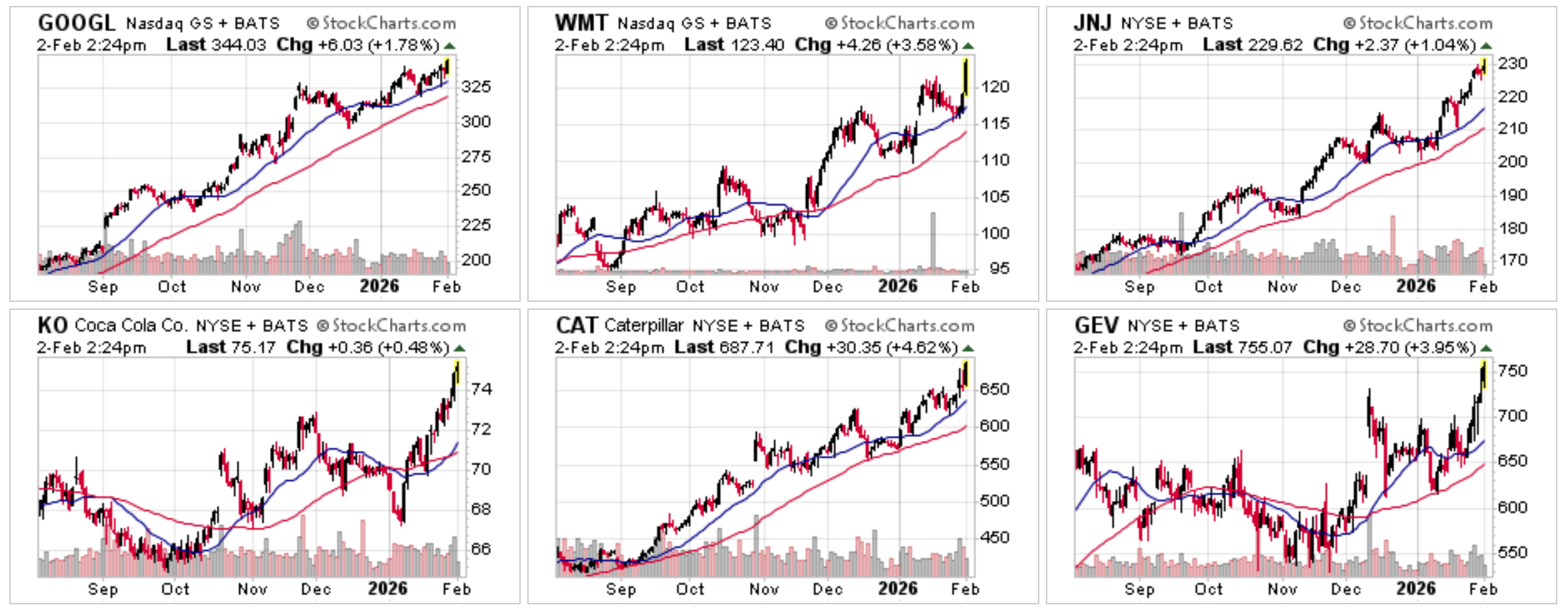
But I would note that Monday's largest capitalization all-time highs have taken on a slightly different tone…
I see three AI focused names and two consumer staples, and one healthcare name. This feels a bit different.
StockCharts.com
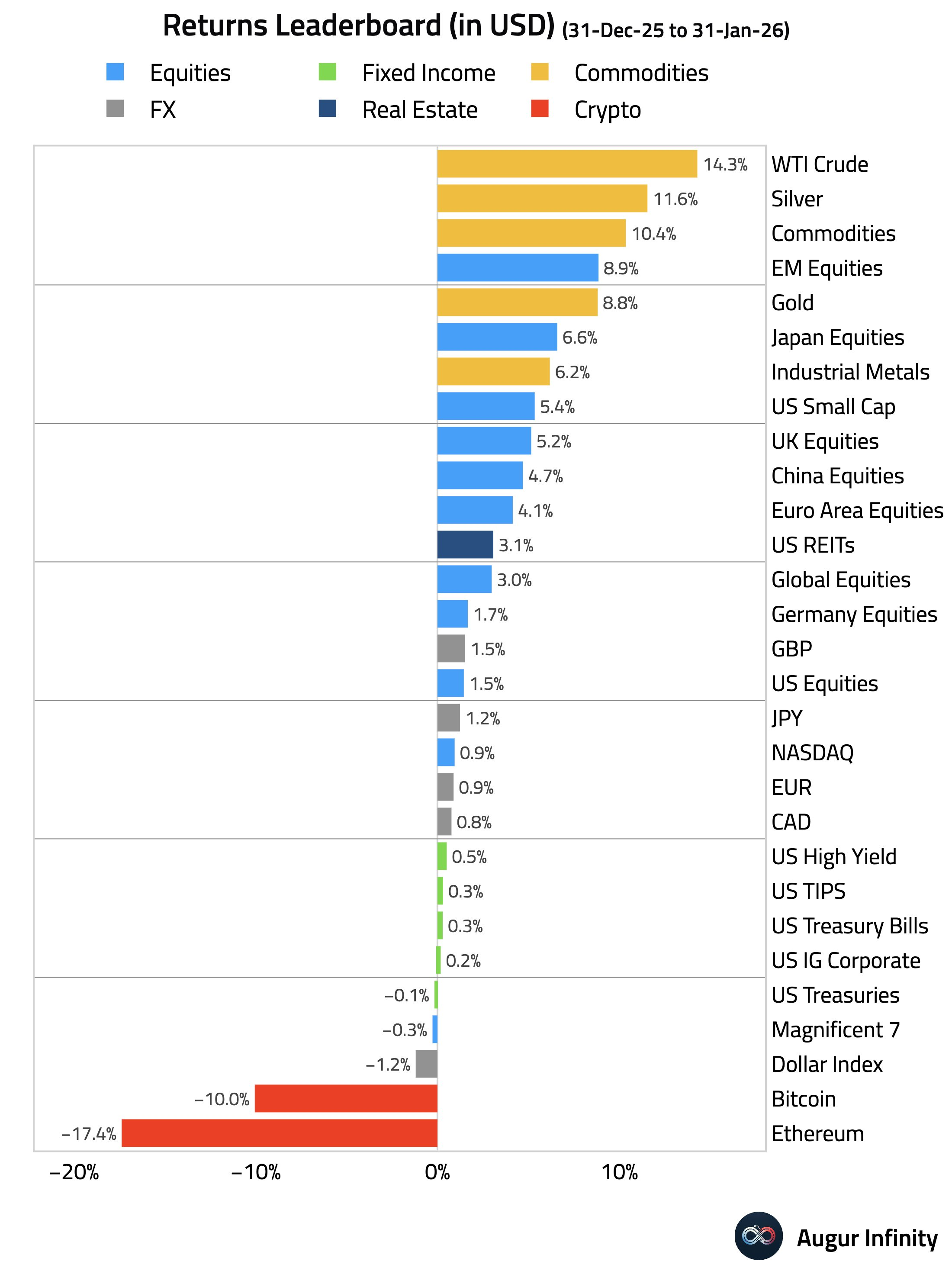
With January now in the rear-view mirror, here is a list of all the month's asset class performances…
@AugurInfinity
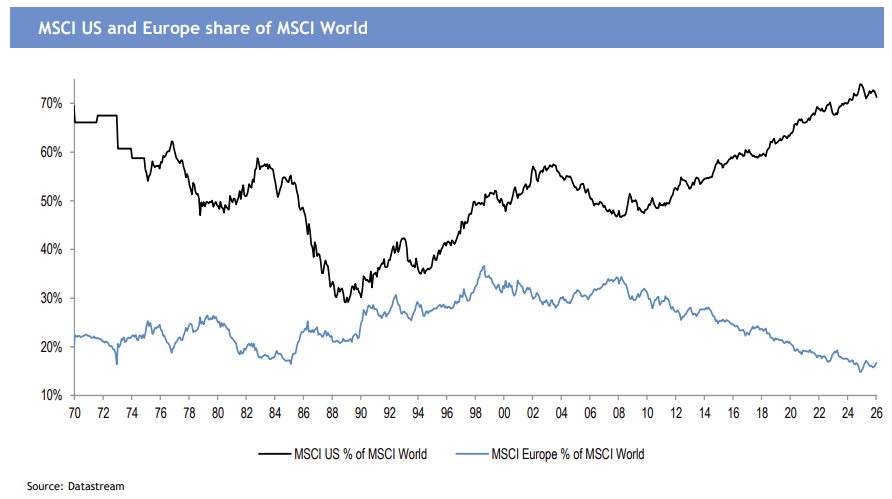
And as European equity markets continue to outperform the US, here is another reminder of just how far the two markets have diverged…
J.P. Morgan
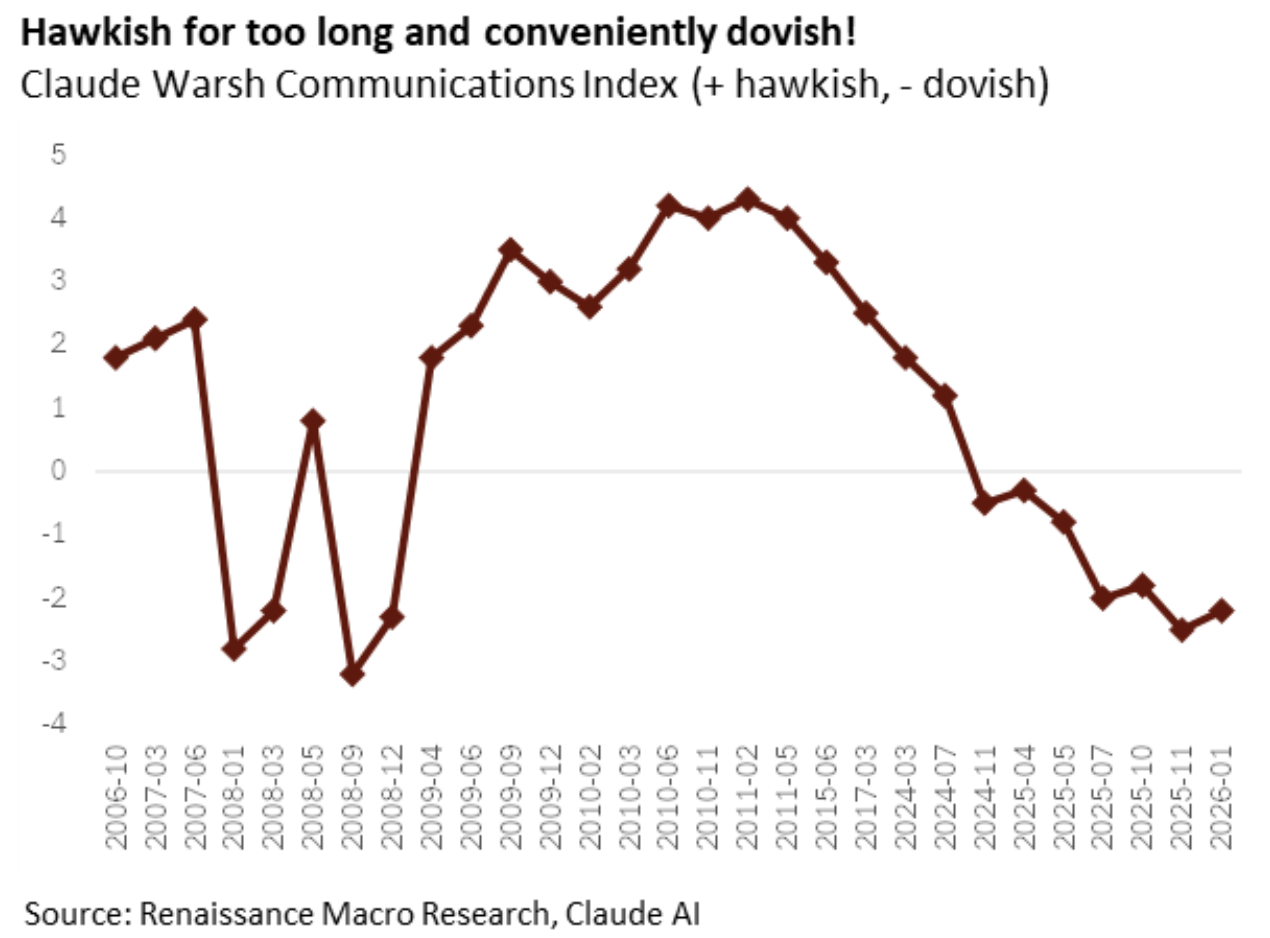
Back to Kevin Warsh. Dovish or Hawkish? Neil Dutta fires up Claude to get an idea…
@RenMacLLC: We asked Claude to rate Warsh's public comments. First, in May 2008, Warsh was concerned about inflation despite the weakness in the jobs market. Next, he never updated his priors about QE, fretting about inflation for years despite it running below target. Finally, Warsh turned dovish, somewhat abruptly in wait for it, Nov 2024. Since Trump’s election, he has been talking up growth optimism, productivity driven disinflation and rate cuts. That pitch will be much harder to make around the FOMC table than it was in the Oval Office.
There was an FOMC meeting last week which resulted in a further pause in rates…
The Federal Reserve entered a new holding pattern on interest rates Wednesday and signaled little urgency to resume cuts after contentious reductions at officials’ three previous meetings.
The decision to hold the benchmark federal-funds rate steady in a range between 3.5% and 3.75% was approved on a 10-2 vote.
Fed Chair Jerome Powell said recent data had painted a somewhat brighter picture than officials had at their last meeting, with stronger economic growth and tentative signs of labor-market stabilization.
The comments suggest officials are comfortable staying put for some time—until new signs of labor-market weakness emerge or inflation convincingly makes progress toward the Fed’s goal.
“We’re not trying to articulate a test for when to next cut…What we’re saying is we’re well positioned,” Powell said at a news conference.
Fed Governor Waller on his dissent and why he wanted to ease 25 bps…
"First, in contrast to the continued solid growth in economic activity, the labor market remains weak...zero job growth versus an average of almost 2 million for the 10 years prior to 2025. This does not remotely look like a healthy labor market...I have heard in multiple outreach meetings of planned layoffs in 2026. This indicates to me...a substantial deterioration in the labor market is a significant risk."
"Second, though inflation is elevated from tariff effects, appropriate monetary policy is to 'look through' these effects."
"With total inflation excluding tariff effects close to our target at just slightly above 2 percent and a weak labor market, the policy rate should be closer to neutral, which the median FOMC participant estimates is 3 percent, and not where we are."
@neilksethi
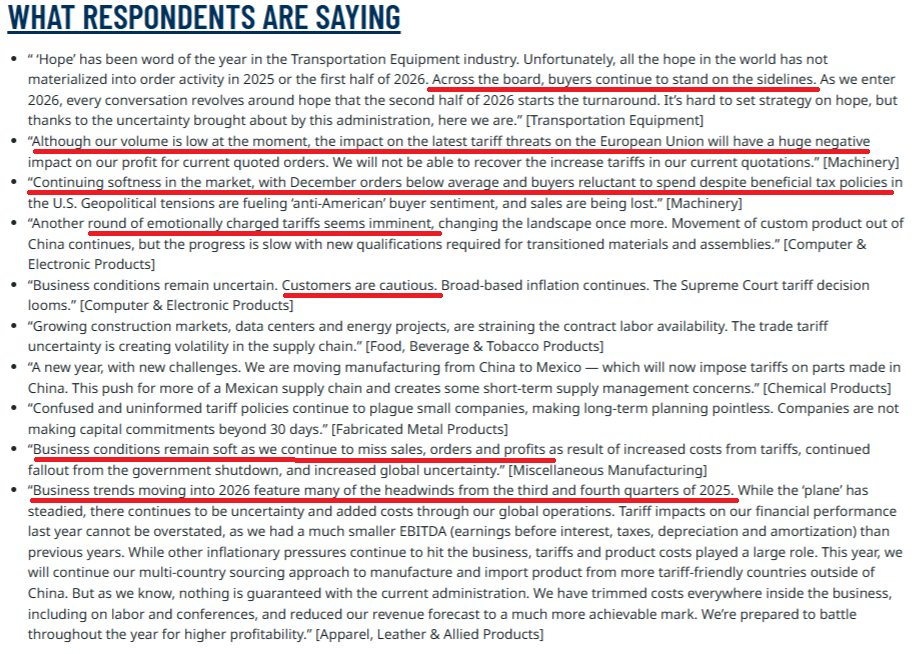
The Manufacturing ISM jumped strongly to 52.6 on Monday, but the commentary from the surveyed companies remains notes the continued train wreck of tariffs and price volatility…
@RenMacLLC: Respondent commentary was not as upbeat as we would have guessed given the strong ISM Manufacturing PMI for January. Concerns about weak sales and another round of tariffs.
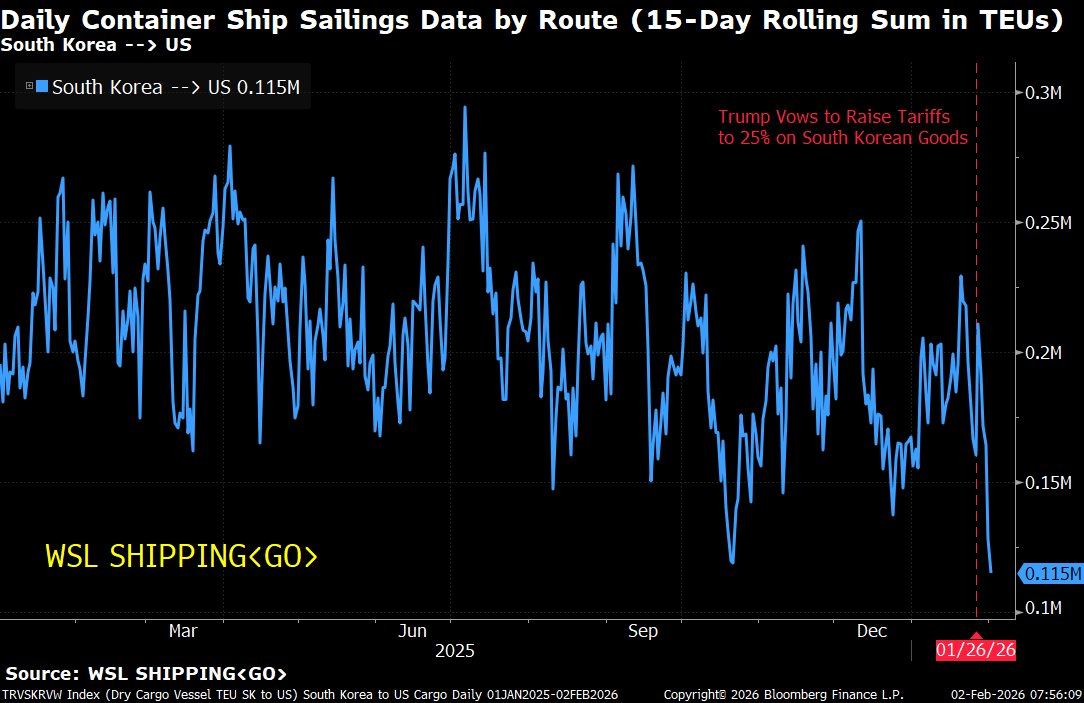
New to the tariff hit club is South Korea which continues to find other destinations for its goods than the US…
@M_McDonough: Shipping from South Korea to the U.S. is slowing after tariff threats. Our real-time shipping data shows fewer container ships headed to the U.S. from Korea following Trump’s Jan. 26 threat to raise tariffs to 25% on Korean goods like autos and pharmaceuticals. Trade risk is already showing up in the real economy — worth monitoring to see if the trend continues.
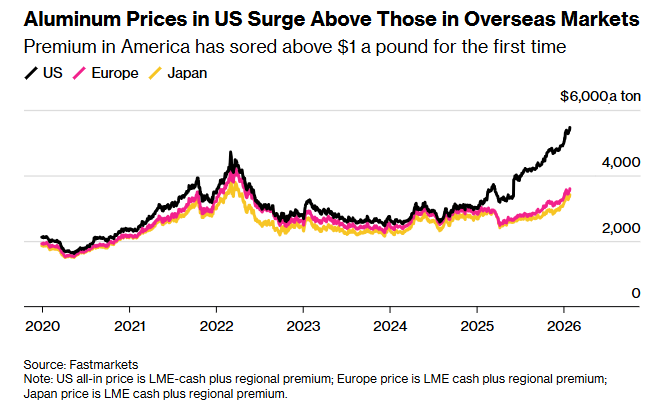
Tariffs on aluminum have led to an extra $2,000 per ton for US buyers…
The regional premium for aluminum delivered to the US market climbed above $1 a pound for the first time as US President Donald Trump’s tariffs make the metal more expensive in the domestic market.
The so-called US Midwest premium, the amount added to global benchmarks to deliver aluminum to that region, climbed to $1.005 a pound Wednesday, according to data from Fastmarkets. It’s been hitting successive peaks since reaching a record above 64 cents in early June when Trump imposed a 50% tariff on aluminum imports. The premium has more than doubled since then.
Aluminum prices in the US have been rising faster than for international counterparts for much of this past year because of tariffs.
Metal tariffs are hitting Caterpillar's earnings hard…
Thank god for their very strong AI data center end markets to offset much of the pain to their margins. Fingers crossed for the Supreme Court ruling on tariffs.
Tariffs are the reason Caterpillar expects margins to contract in the first quarter compared to the same period last year. The company has worked to manage the costs by changing where it sources materials, as well as raising prices and cutting other expenses.
Levies on raw materials are a particular challenge to manage, given insufficient domestic steel production and aluminum mining, said Brian Mulberry, client portfolio manager at Zacks Investment Management.
“The increased supply of raw materials is a key goal of the administration, and it would significantly lower costs for many manufacturers,” said Mulberry, whose firm holds Caterpillar’s stock. “But it takes time to increase.”
February will give investors more tea leaves to read on the sectors.
For one thing, the Supreme Court may deliver its pending ruling on the legaility of Trump’s tariffs. Caterpillar and Deere & Co. are among the companies that would benefit the most from any refunds the court orders, even as levies on the metals sector aren’t included.
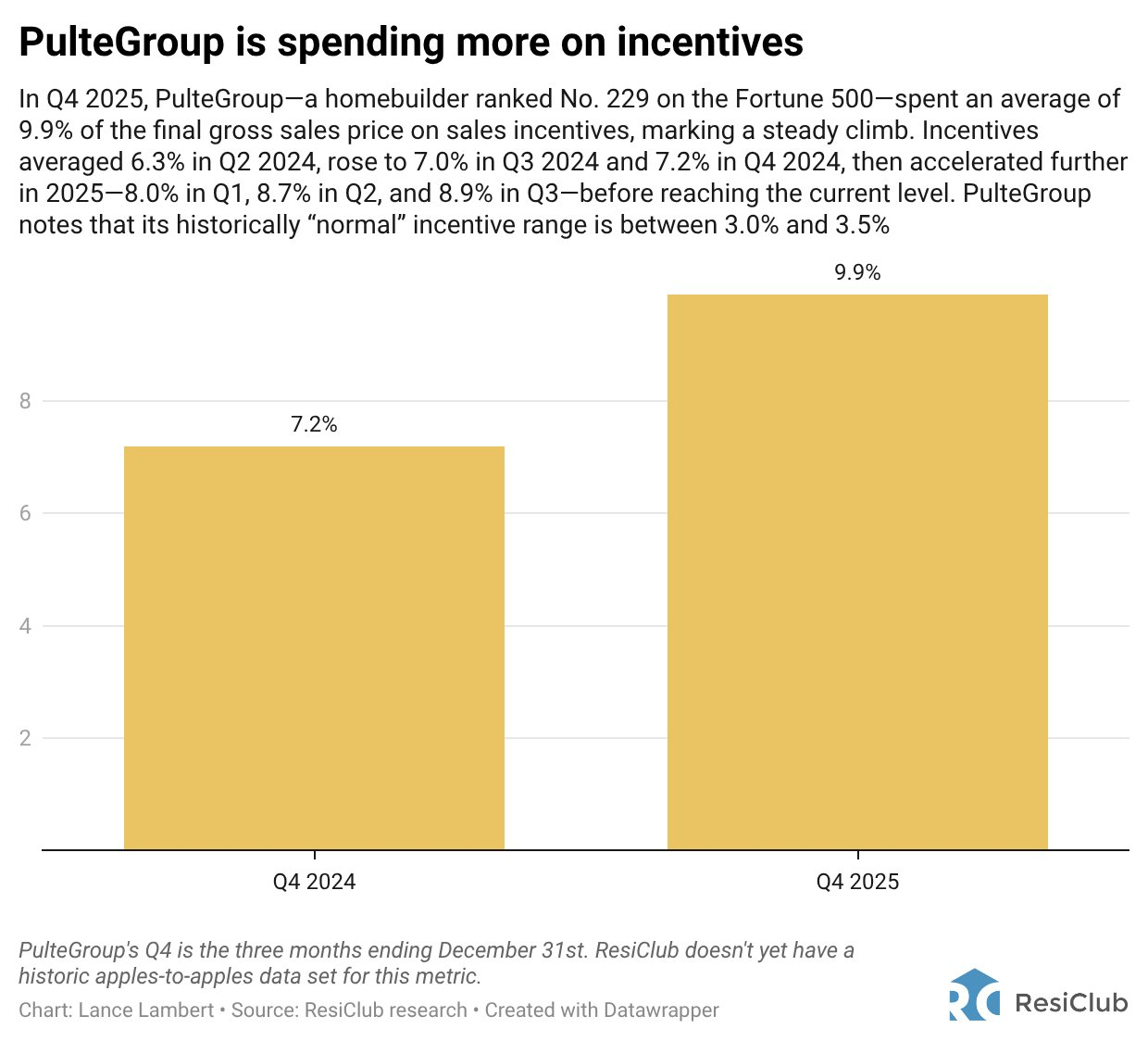
Also reporting earnings and getting caught by tariffs, immigration and higher interest rates is Pulte Group…
The home builder is now having to offer almost 10% of the sales price in incentives, which is 3x normal.
@NewsLambert
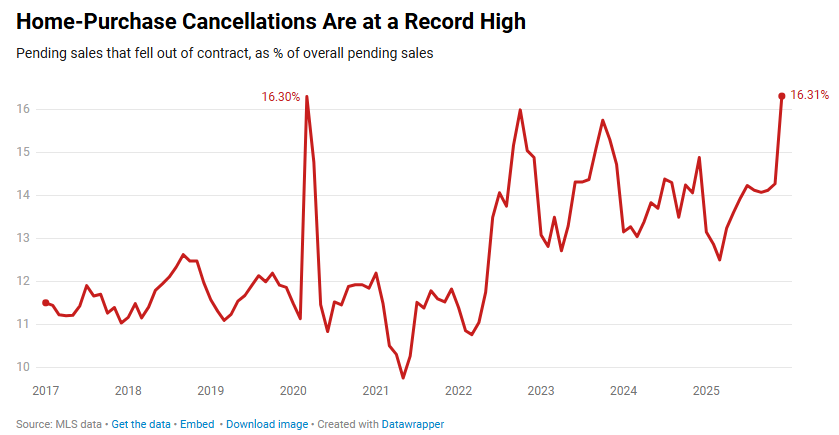
Speaking of housing, Americans are now cancelling their purchase contracts at the highest rate on Redfin's records…
Roughly 40,000 U.S. home-purchase agreements were canceled in December, equal to 16.3% of homes that went under contract that month. That’s up from 14.9% a year earlier and marks the highest December rate in records dating back to 2017…
Over one in five (22.5%) pending home sales in Atlanta fell through in December—up from 19.6% in November and the highest share among the metros Redfin analyzed. Jacksonville, FL (20.6%), San Antonio (20.6%), Cleveland (20.2%) and Tampa (19.4%) rounded out the top five…
Cancellations were least common in Nassau County, NY (3.8%), San Francisco (4.2%), San Jose, CA (8.9%) and New York (10.5%).
For some reason, US consumer brands are having a more difficult time selling their goods overseas…
During the cold war, when the world last squared off in existential geopolitical confrontation, the US had an exhilaratingly cool reputation. Behind the Iron Curtain, ordinary citizens were desperate for a can of Coke or a pair of Levi’s. Now, as the world descends into another geopolitical battle, American brands are discovering the price of being unpopular…
Nearly five decades later, consumer attitudes are shifting. Last September, Levi’s warned of “rising anti-Americanism as a consequence of the Trump tariffs and governmental policies”. Chris Kempczinski, McDonald’s CEO, said that “the aura around America has dimmed a bit”.
This change in attitude is showing up in consumer surveys. Last year, a poll of Germans found nearly two-thirds said they wanted to avoid US brands. A few months later, 70 per cent of Italians and 69 per cent of Swiss and Austrians declared themselves ready to stop buying US brands altogether. Earlier this year, an astounding 83 per cent of Swedes said they were no longer buying US brands.
Even Disney warned on Monday that future parks visitation will see "headwinds"…
Disney said operating-income growth in its experiences business, which includes theme parks, cruises and consumer goods, would be modest in the current quarter in part because of what it called “international visitation headwinds at our domestic parks.”
Johnston declined to detail the reasons for the slowdown, which is occurring as the Trump administration’s diplomatic tensions with allies and policies including tariffs and enhanced visa vetting have raised concerns about foreign tourism. The finance chief said the company is shifting more of its marketing efforts for California’s Disneyland and Florida’s Walt Disney World to domestic visitors in response.
This Minnesota based company has other priorities to think about right now than selling new snowmobiles or four wheelers…
@bespokeinvest: Polaris $PII: "I do think that there's a lot going on in our country right now, and I think that just has people kind of standing back and waiting, if they don't absolutely have to make a purchase, they're not going to make it." – Michael Speetzen, CEO
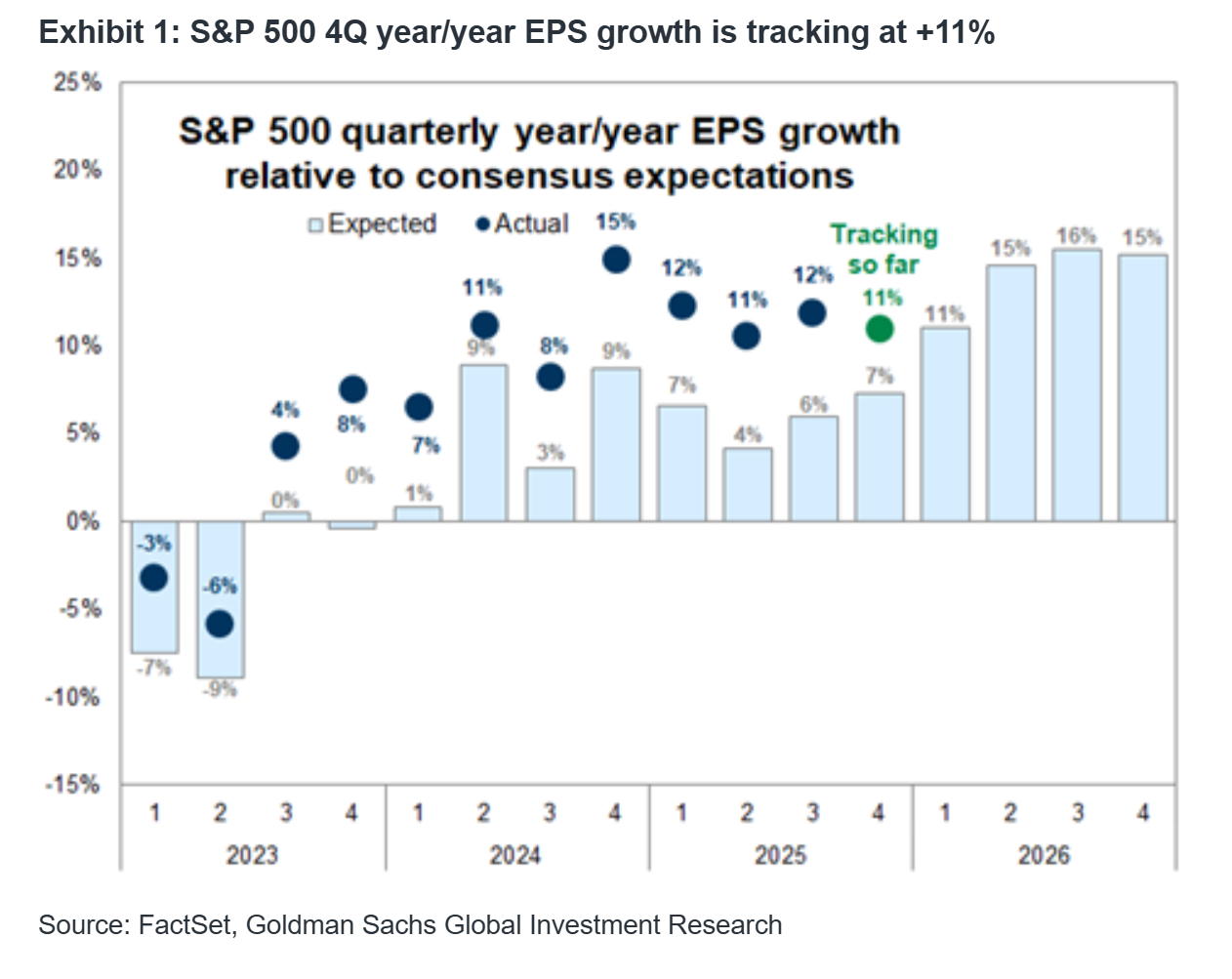
With about half of the Q4 S&P 500 earnings in the books, the numbers are looking good…
33% of S&P 500 companies, representing 47% of market cap have reported 4Q 2025 results so far, with another 130 companies in the S&P 500 (24% of market cap) reporting this week. S&P 500 EPS growth is tracking +11% year/year compared with consensus forecasts for +7% growth at the start of the earnings season (see Exhibit 1). Importantly, the outlook for S&P 500 EPS growth in 2026 remains solid. Of the 50 companies offering 2026 EPS guidance, 54% of firms have guided above consensus compared with the historical average of 40%.
Goldman Sachs
Here comes the biggest week of this quarter…
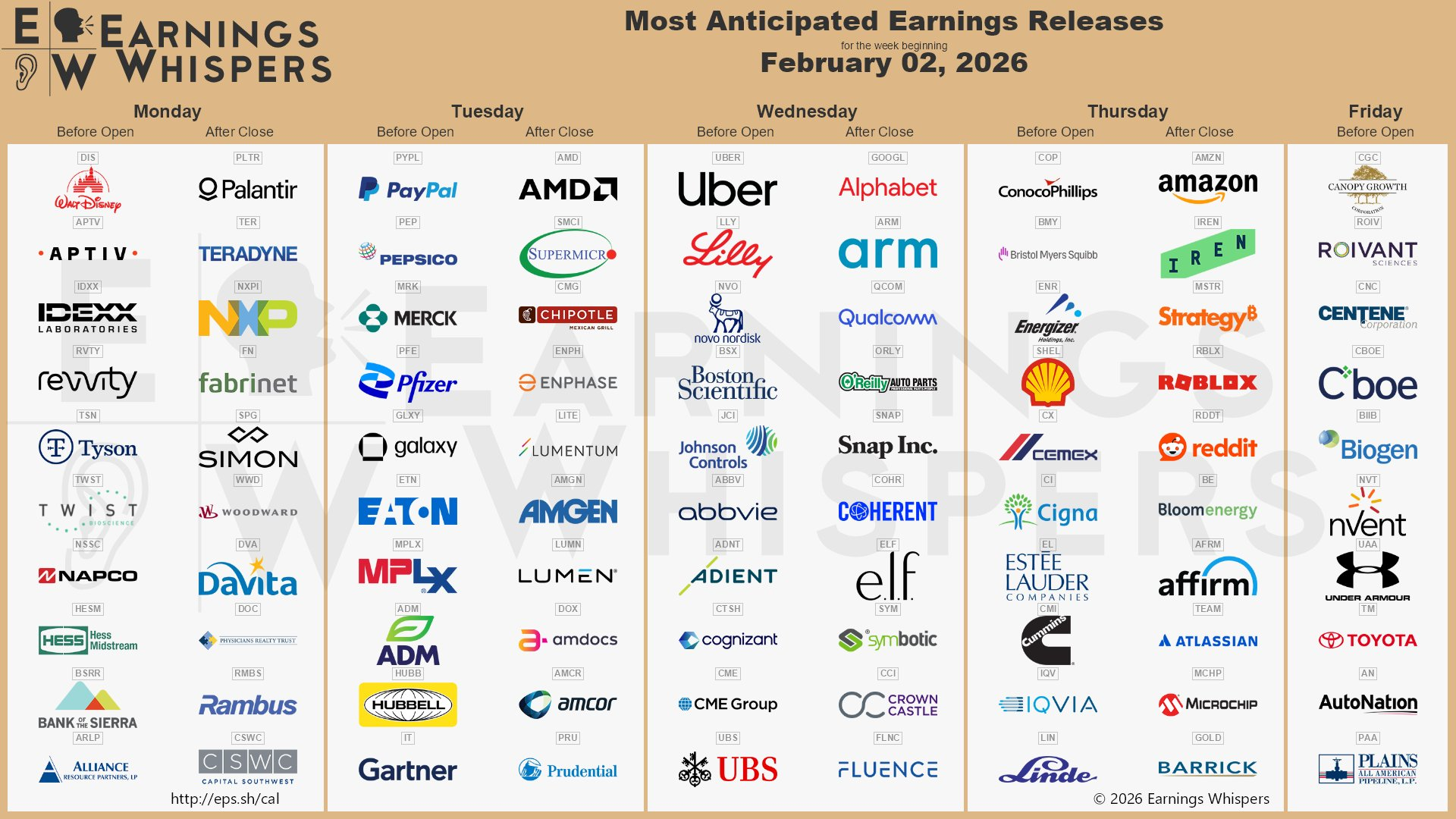
@eWhispers
Lots of AI commentary during this earnings season. Even Dow Chemical is making a massive push towards its usage…
Dow is cutting 4,500 employees as part of a cost-saving program that will lean on artificial intelligence to increase productivity and bolster shareholder returns.
The cuts, which will result in $1.1 billion to $1.5 billion in one-time charges, came as the chemicals company said its quarterly loss widened because of lower revenue and higher costs.
Dow said it is embarking on a program dubbed Transform to Outperform, which would employ artificial intelligence and automation to reduce expenditure and catalyze growth and productivity, yielding an additional $2 billion in operating earnings before interest, depreciation and amortization.
Chairman and CEO Jim Fitterling said the program “represents a comprehensive and radical simplification of our operating model.”
Goldman Sachs noted several other AI efficiencies noted this earnings season…
Bank of America (BAC): "We have 18,000 people on the company's payroll who code - using the AI techniques, we've taken 30% out of the coding technique - the coding part of the stream of introducing a new product or service or change, that saves us about 2,000 people... And I use an example, our audit team has built a capability they think a series of prompts around doing audits and stuff to allow them to shape the head count back down that they had to grow during the regulatory onslaught over the last few years."
Meta Platforms (META): "Since the beginning of 2025, we've seen a 30% increase in output per engineer with the majority of that growth coming from the adoption of agentic coding, which saw a big jump in Q4. We're seeing even stronger gains with power users of AI coding tools, whose output has increased 80% year-over-year. We expect this growth to accelerate through the next half."
ServiceNow (NOW): “AI is also driving significant cost efficiencies that have resulted in full-year profitability beats on top of our recently raised guidance... We expect an operating margin of 32%, up 100 basis points year-over-year driven by OpEx savings enabled by AI efficiencies.”
Paychex (PAYX): "We are excited to share that our first agentic AI pilots were a success this quarter. They autonomously handled thousands of payroll calls and emails with nearly 100% accuracy, decreasing payroll processing time and enabling our service teams to focus on higher value strategic advisory support."
Goldman Sachs
Microsoft got hit hard last week after their report…
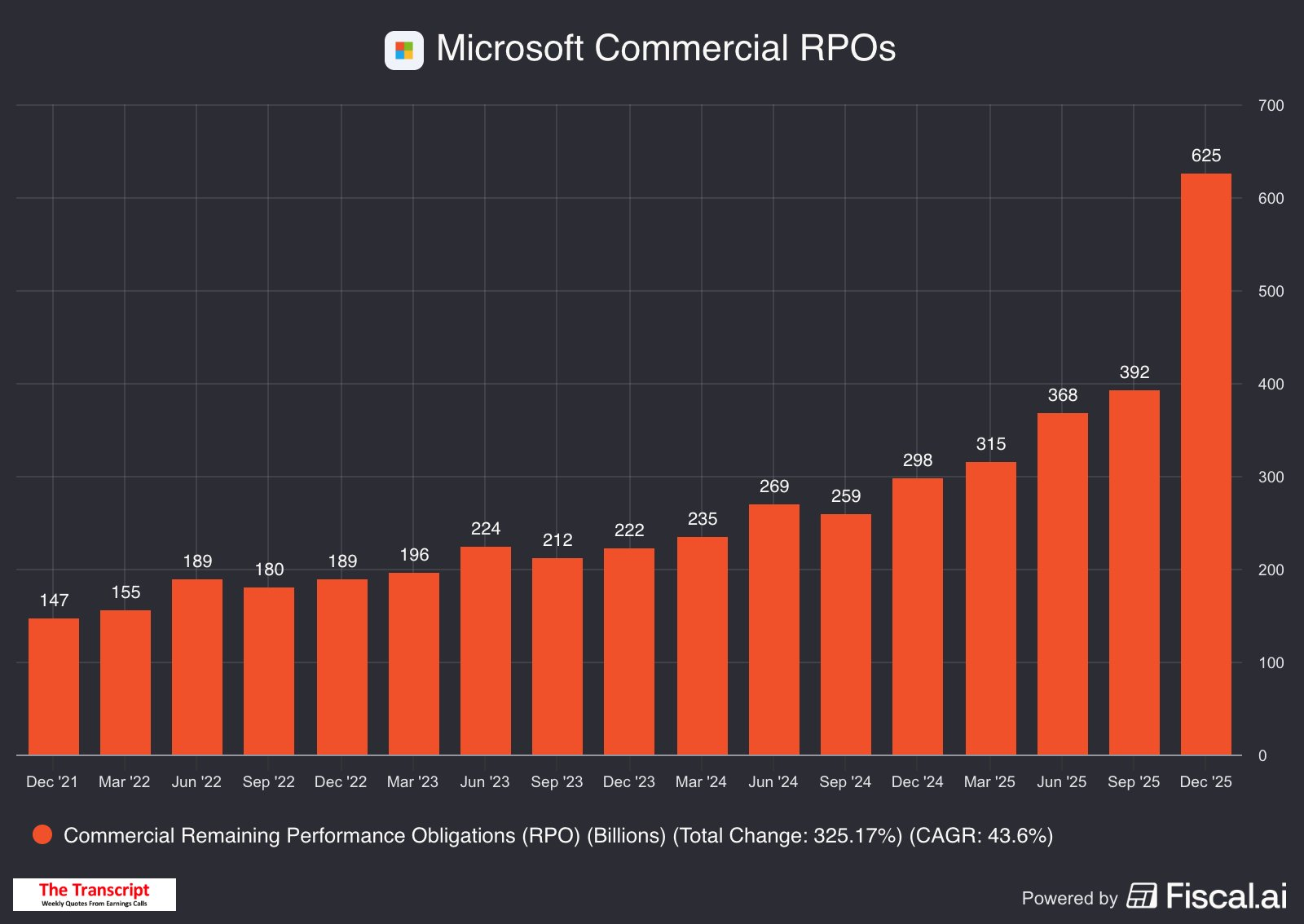
The small slowdown in Azure's growth rate was unwelcomed. But so was their future booking concentration toward OpenAI. All the increased capex spending is going to need to start showing revenue and earning acceleration soon. And the RPO book is going to need to diversify, just like at Oracle.
$MSFT CFO: "Commercial remaining performance obligations...increased to $625B, up 110% Y/Y, with a weighted average duration of ~2.5 years. Roughly 25% will be recognized in revenue in the next 12 months, up 39% Y/Y. The remaining portion recognized beyond the next 12 months increased 156% Y/Y. ~45% of our commercial RPO balance is from OpenAI. The significant remaining balance grew 28% Y/Y and reflects ongoing broad customer demand across the portfolio."
@TheTranscript_
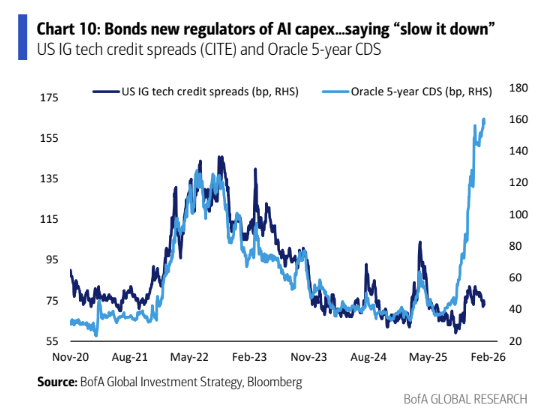
Speaking of Oracle, here is a chart of their credit spread blowing out to new highs last week…
It did correct by up to 20 basis points on Monday as a result of its new financing details.
BofA Global
The lights were on this weekend in the Oracle headquarters…
The Sunday night announcement now gives investors something to chew on and piece into their decision-making process. Will this financing package be enough to stop the leap in ORCL credit spreads and 50% collapse in the stock price since September's announced results?
Oracle Corp. plans to raise $45 billion to $50 billion this year through a combination of debt and equity sales to build additional cloud infrastructure capacity, reflecting the scale of financing needed to feed AI’s growth.
Oracle is raising money to build additional capacity to meet the contracted demand from the company’s largest cloud customers, including Advanced Micro Devices Inc., Meta Platforms Inc., Nvidia Corp., OpenAI, TikTok Inc. and xAI Corp., the company said in a statement Sunday.
The announcement coincides with persistent fears about whether massive artificial intelligence-linked investments by tech companies such as Oracle will pay off. The company’s shares have fallen around 50% from its record price on Sept. 10, wiping out roughly $460 billion in market value.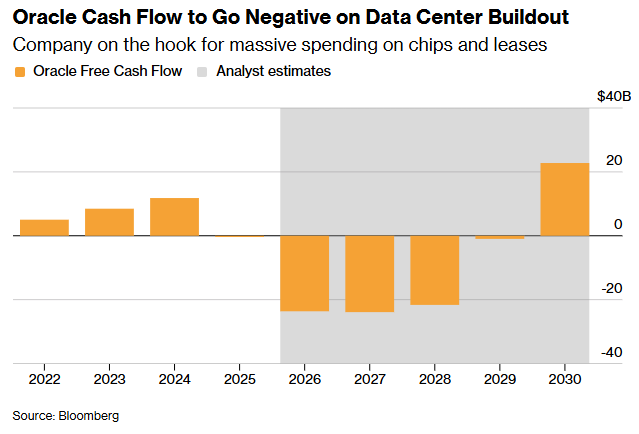
Also a bit of a scramble over the weekend to contain this small investing item between Nvidia and OpenAI…
Nvidia’s plan to invest up to $100 billion in OpenAI to help it train and run its latest artificial-intelligence models has stalled after some inside the chip giant expressed doubts about the deal, people familiar with the matter said.
The companies unveiled the giant agreement last September at Nvidia’s Santa Clara, Calif., headquarters. They announced a memorandum of understanding for Nvidia to build at least 10 gigawatts of computing power for OpenAI, and the chip maker also agreed to invest up to $100 billion to help OpenAI pay for it. As part of the deal, OpenAI agreed to lease the chips from Nvidia.
At the time, the ChatGPT-maker expected the deal negotiations to be completed in the coming weeks, people familiar with the plans said. But the talks haven’t progressed beyond the early stages, some of the people said.
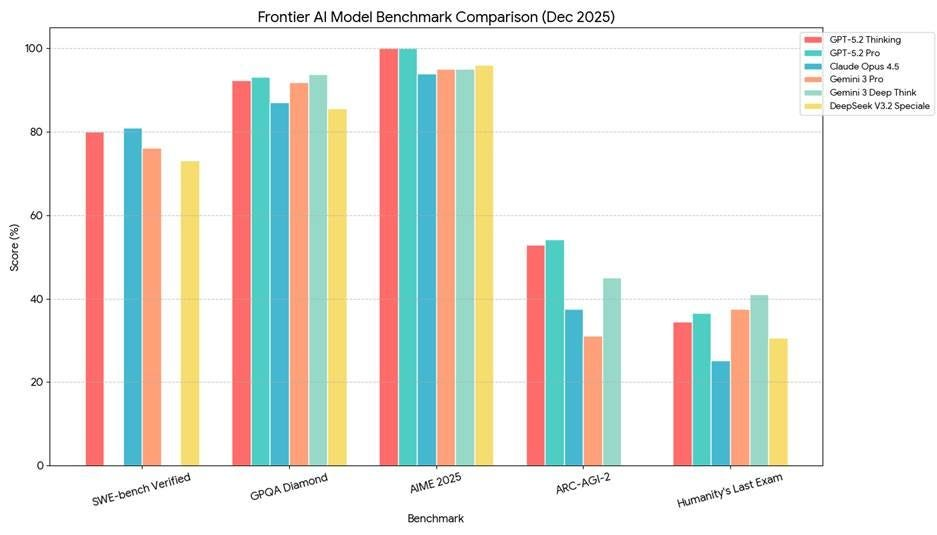
If you have financial interests in the AI space, then you will enjoy this article from Ethan Choi, Partner at Khosla Ventures…
Which model is best? GPT 5.2, Claude 4.5 family, Gemini 3, or Grok 4.1?
Short answer: That's a bad question. 😀 The better question is which model is best for which use case?
Each model has its own strengths and weaknesses and I think that's a good thing. The lead for various benchmarks will go back and forth between the various AI labs like a tight horse race and we shouldn't all freak out when one is a little better than the other after a training run… Model quality does impact user growth and retention so ultimately, that is perhaps the most important dimension to compete on. But I truly believe AI will not be zero-sum given demand for intelligence and compute is infinite.
@EthanChoi7
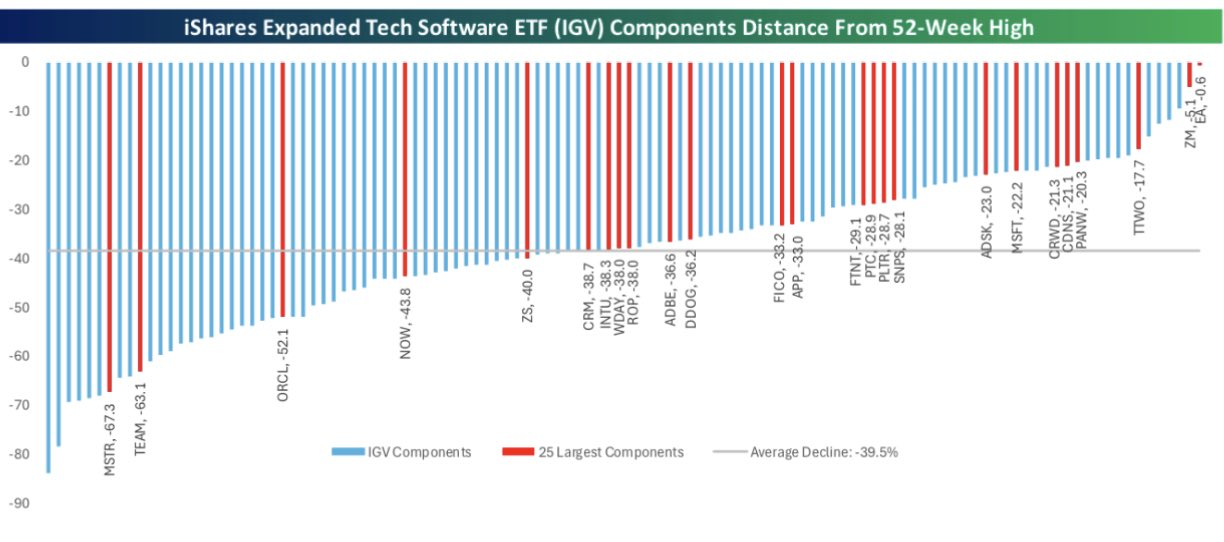
Between the financing issues at Oracle and the earnings items at Microsoft, stock prices in the software sector remains challenged…
Of course this can provide opportunities for others who know which businesses will survive and excel. Expect many more private equity deals to occur in this space.
@bespokeinvest: The average software stock is now in a 40% drawdown! Absolute carnage in the space recently even with the broad market close to record highs.
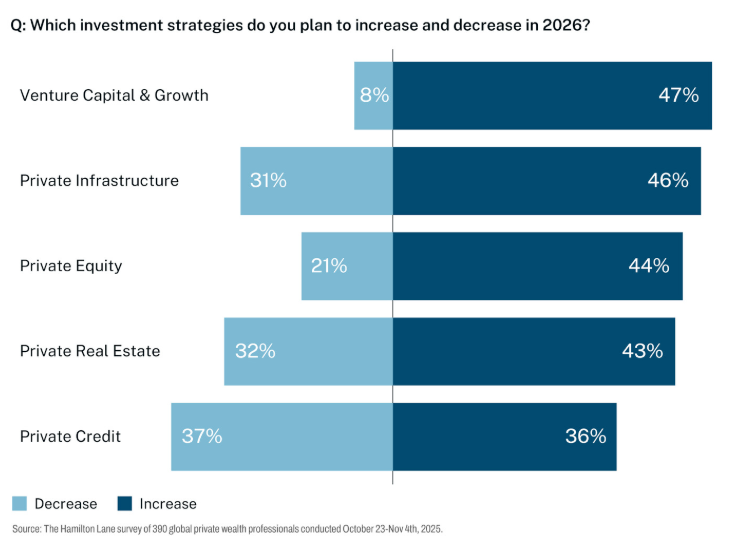
From our newest Private Wealth Survey, I thought this question and answer was most interesting…
It shows you where the most appetite is right now for the private markets. Lots of Ubers, Waymos and Limos running around Silicon Valley again.
The increase in silver and gold volatility had no impact on the continued strength in M&A deals last week…
- Devon Energy and Coterra Energy are merging to create a $58bn shale drilling giant, in one of the oil and gas industry’s biggest deals in years. Monday’s tie-up comes as US oil prices have fallen to a four-year low, putting the shale sector under strain and forcing smaller companies to consider combinations to compete against larger rivals. Following the all-stock deal, Devon shareholders will own 54 per cent of the combined group and Coterra investors will own 46 per cent.
- A property lender managed by Apollo Global Management Inc. agreed to sell its portfolio to the buyout firm’s insurance arm after the publicly listed real estate investment trust consistently traded below its book value. Apollo Commercial Real Estate Finance (ARI) is selling its $9 billion loan book to Athene Holding for a purchase price based on 99.7% of loan commitments. The company's common stock has traded below book value for an extended period, with common shares trading at an average of 77% of book value over the past four years.
- Eldorado Gold Corp. (EGO) agreed to buy copper-focused Foran Mining Corp. (FOM) for C$3.8 billion ($2.8 billion), the latest industry tie-up as miners seek to ramp up metals production after a massive price rally over the past year. Eldorado, which owns mines in Canada and Europe, will use a combination of equity and cash to acquire all outstanding shares of the smaller miner with no premium to Foran’s Friday closing price. After the merger, existing Eldorado holders will own about 76% of the combined company and Foran holders will own about 24%.
- VSE Corp (VSEC) plans to acquire Precision Aviation Group for about $2.03 billion in cash and equity. The deal is part of VSE’s focus on scaling its engine and component service capabilities across the aviation aftermarket, the company said Thursday. The consideration consists of about $1.75 billion in cash and about $275 million of equity consideration issued to GenNx360 Capital Partners, with registration rights, subject to a customary lock-up period. The agreement also includes up to $125 million in additional contingent earnout consideration based on Precision’s performance.
- Prosperity Bancshares (PB) will buy rival Stellar Bancorp (STEL) in a $2 billion cash-and-stock deal creating a mega Texas-focused lender and highlighting rapid consolidation among U.S. regional lenders. The deal values Stellar at $39.08 per share, implying a 19.8% premium to the stock's last close. The deal beefs up Prosperity's presence in greater Houston, Beaumont and Dallas and creates the second largest Texas-headquartered bank by deposits with over 330 banking centers, the companies said.
- Apple (AAPL) said it has acquired Q.ai, an Israeli startup working on artificial intelligence technology for audio. Apple did not disclose terms of the deal for Q.ai, which was backed by venture capital firms Matter Venture Partners, Kleiner Perkins, Spark Capital, Exor and GV, formerly known as Google Ventures. The Financial Times reported it was worth nearly $2 billion, a figure Reuters could independently verify.
- Welding gear maker ESAB Corp (ESAB) said it would acquire testing instrument manufacturer Eddyfi Technologies for $1.45 billion, aiming to broaden its product portfolio and gain exposure to booming markets such as aerospace and defense. Eddyfi offers advanced sensing, automated remote monitoring, robotics and software services across aerospace, defense and transportation industries. ESAB will maintain Eddyfi's workforce and headquarters in Canada's Quebec City.
- Bain Capital has finalised plans to acquire FineToday Holdings, the Japanese personal-care company behind the Tsubaki shampoo brand, in a deal expected to be worth around 200 billion yen ($1.29 billion), Nikkei reported on Sunday. Private equity firm CVC Capital Partners plans to divest all of FineToday's shares, the report added.
- Brookfield Asset Management is buying industrial real estate investment trust Peakstone Realty Trust (PKST) in an all-cash deal valued at about $1.2 billion. The companies said Monday they entered a definitive agreement under which a Brookfield real estate fund would buy all of Peakstone’s outstanding shares for $21 each, marking a 34% premium to the last closing price. The purchase would expand Brookfield’s industrial real estate platform with an investment trust that owns and operates industrial outdoor storage, or IOS, and traditional industrial properties.
- Modine Manufacturing (MOD) to spin off and combine Performance Technologies business with Gentherm (THRM) in tax-free RMT - Combined company valued at ~$1.0B - ~6.8x post-synergy adjusted EBITDA of $147M - Modine shareholders to own ~40% - Gentherm shareholders ~60% of combined entity - Pro forma revenue $2.6B - synergy-adjusted adjusted EBITDA margin 13% - net leverage ~1.0x.
- Donaldson Company, Inc. (DCI), a manufacturer of filtration systems and replacement parts, announced that it has agreed to acquire Filtration Group's Facet Filtration business for around $820 million in an all-cash deal. The acquisition price represents around 20 times calendar year 2025 EBITDA or 16.6 times when adjusted for the present value of expected tax benefits and cost synergies. Facet offers fuel and fluid filtration solutions for applications mainly in aerospace and defense, as well as power generation and the firm is a pioneer in the jet fuel filtration market where its products are utilized at multiple stages of the fuel supply chain from refinery to end fueling point.
Various News Sources
Blackstone highlighted the improved deal market in its earnings last week…
Net realizations from investment exits surged 59% in the quarter, the highest level in more than three years, as private equity dealmakers stepped up the pace of sales. The share of so-called carried interest that Blackstone executives collected from profitably selling assets last year soared 15% to $1.1 billion.
“The deal environment feels like it’s reached escape velocity,” Gray said in an interview. “We have a big drawdown cycle underway.”
And if you like spam phone calls, then ignore this story…
“What’s going on with your phone? You got some weird outgoing message thing,” Jackson recalled a friend telling him recently.
What that friend heard was the iPhone’s call-screening feature, which uses an automated voice to ask unknown numbers for their names and reasons for dialing. It then transcribes the answers and allows recipients to determine whether or not they want to take the call…
The Apple feature, introduced last year with iOS 26, is meant to block the spam calls that continue to bombard Americans’ devices. It’s also had an unintended effect: Plenty of users, whether they realize it or not, are now channeling Michael Ovitz, the superagent who once enlisted a small army of assistants to filter calls. It’s starting to annoy the rich and powerful.
When venture capitalist Bradley Tusk dials others and encounters call screening, his first reaction is irritation. But given his hatred of junk calls, he understands why it’s needed. “It’s like, ‘Well, you get spam all day, so how do you blame them?’” he said.
Will AI ever be able to create the full emotional value of that final scene at The Globe theater? Not anytime soon.
The movie was incredible. Just give 'Hamnet' the best picture and let's talk about who the runner up should be.
Has another film this decade so polarised clever people? Oppenheimer had faults — the portrayal of Harry Truman as a bumpkin with somehow a Texan accent — but no one lost their rag over it. Hamnet is Meghan Markle-like in its power to unhinge the otherwise calm and well-adjusted.
Perhaps this is the “vibe shift” at work: the ongoing reaction against the culture that brought us sensitivity training, victimhood as an achievement, and so on. Hamnet, conceived in woker times, might be too wet for 2026.
Well, I am mostly in favour of the vibe shift. I also buy the old Jungian line that sentimentality is a mask for brutality. Everything was set up for me to walk scoffing out of the cinema after an hour or so. Instead, Hamnet is the only film since the pandemic that I have gone to see twice. I didn’t “cry”, of course, being above such things, but it is possible that two to three millilitres of a salt-flavoured leakage escaped the general vicinity of my left eye socket.
The cynics have got this one wrong. For lots of reasons, Hamnet has the potential to outlast our era.

Learn more about the Hamilton Lane Strategies
DISCLOSURES
The author has current equity ownership in: Caterpillar Inc.
The information presented here is for informational purposes only, and this document is not to be construed as an offer to sell, or the solicitation of an offer to buy, securities. Some investments are not suitable for all investors, and there can be no assurance that any investment strategy will be successful. The hyperlinks included in this message provide direct access to other Internet resources, including Web sites. While we believe this information to be from reliable sources, Hamilton Lane is not responsible for the accuracy or content of information contained in these sites. Although we make every effort to ensure these links are accurate, up to date and relevant, we cannot take responsibility for pages maintained by external providers. The views expressed by these external providers on their own Web pages or on external sites they link to are not necessarily those of Hamilton Lane.